Proper roof ventilation is a critical factor in maintaining year-round comfort and managing energy bills in Northern Nevada homes. Many homeowners across this area, including those serviced by Battle Born Roofing, Ltd., struggle with temperature extremes throughout the year. Proper attic ventilation goes beyond comfort, influencing everything from the longevity of your roofing materials to the efficiency of your heating and cooling systems.
Understanding Roof Ventilation and Its Importance
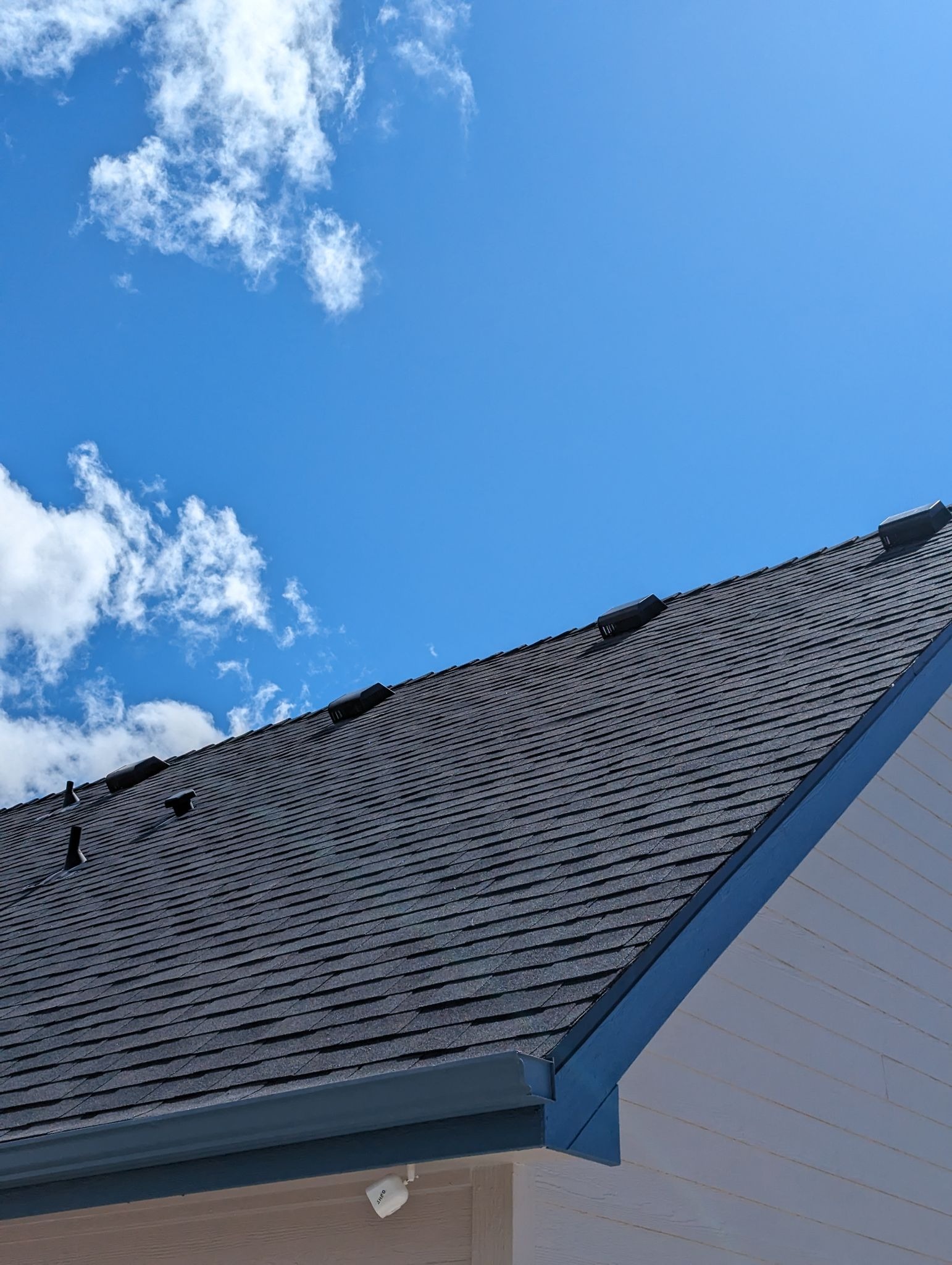
Roof ventilation is a system of intake and exhaust vents in the attic space that helps regulate temperature and moisture levels. When functioning correctly, ventilation ensures that fresh air flows into the attic while pushing hot, moist air out. This process is particularly vital in regions with warm summers and cold, snowy winters.
An inadequately ventilated attic can become a heat trap during the summer. As attic temperatures soar, heat radiates into living spaces, forcing air conditioning systems to work harder and leading to higher cooling costs. In winter, improper ventilation may cause warm air from the home to rise and become trapped, which can melt snow on the roof. The resulting water may refreeze at the eaves, forming damaging ice dams.
Key Benefits of Effective Attic Ventilation
Attic ventilation, when done properly, positively impacts comfort, energy usage, and roof durability. A few standout benefits include:
-
Lowering the temperature inside the attic, which reduces strain on air conditioning units.
-
Reducing moisture buildup to prevent mold and mildew formation.
-
Protecting insulation performance, as excess heat and dampness can deteriorate its effectiveness.
-
Minimizing the risk of ice dams by maintaining uniform roof temperatures and allowing for proper snow melt runoff.
-
Extending the lifespan of roofing materials by preventing heat and moisture damage.
How to Recognize Poor Attic Ventilation
Homeowners should be proactive in spotting signs that their attic ventilation might need improvement, especially if they notice:
-
Higher than normal energy bills during summer or winter.
-
Hot or stuffy attic spaces even with moderate outdoor temperatures.
-
Visible mold, mildew, or wood rot in the attic.
-
Rust developing on metal components such as roof nails or fasteners.
-
Ice dams forming along the roof edge after snowfall.
If any of these symptoms are present, it’s crucial to consult a professional roofing contractor for an inspection and assessment.
Recommended Solutions for Improved Roof Ventilation
Local roofing professionals, like Battle Born Roofing, Ltd., address inadequate attic ventilation using a range of solutions based on your home’s specific needs. Popular strategies include:
-
Installing ridge, box, or soffit vents to ensure continuous airflow.
-
Upgrading existing roof ventilation systems for better air movement.
-
Conducting routine inspections as part of a comprehensive roof maintenance plan.
These improvements can be especially valuable in climates prone to temperature swings, such as those found in the high desert valleys of Nevada.
How Roof Ventilation Influences Energy Bills in Every Season
Effective roof ventilation functions as a safeguard against fluctuating energy costs. In summer, expelling hot air from the attic means your HVAC system uses less energy, helping you save money. During cold months, preventing excess attic humidity protects insulation and minimizes the workload on your furnace. Over time, these savings add up, potentially offsetting the initial cost of ventilation upgrades.
Schedule Your Attic Ventilation Assessment in Gardnerville and Carson City, NV
If you live in Gardnerville or Carson City, NV and suspect your home’s comfort or energy bills are being affected by poor ventilation, now is the time to act. Battle Born Roofing, Ltd. offers thorough attic inspections and a range of roof repair and ventilation solutions tailored to Northern Nevada’s unique climate. Call (775) 315-5404 or fill out our online form to request your consultation and enjoy a more comfortable, efficient home.